Present Perfect Continuous, 2023-24
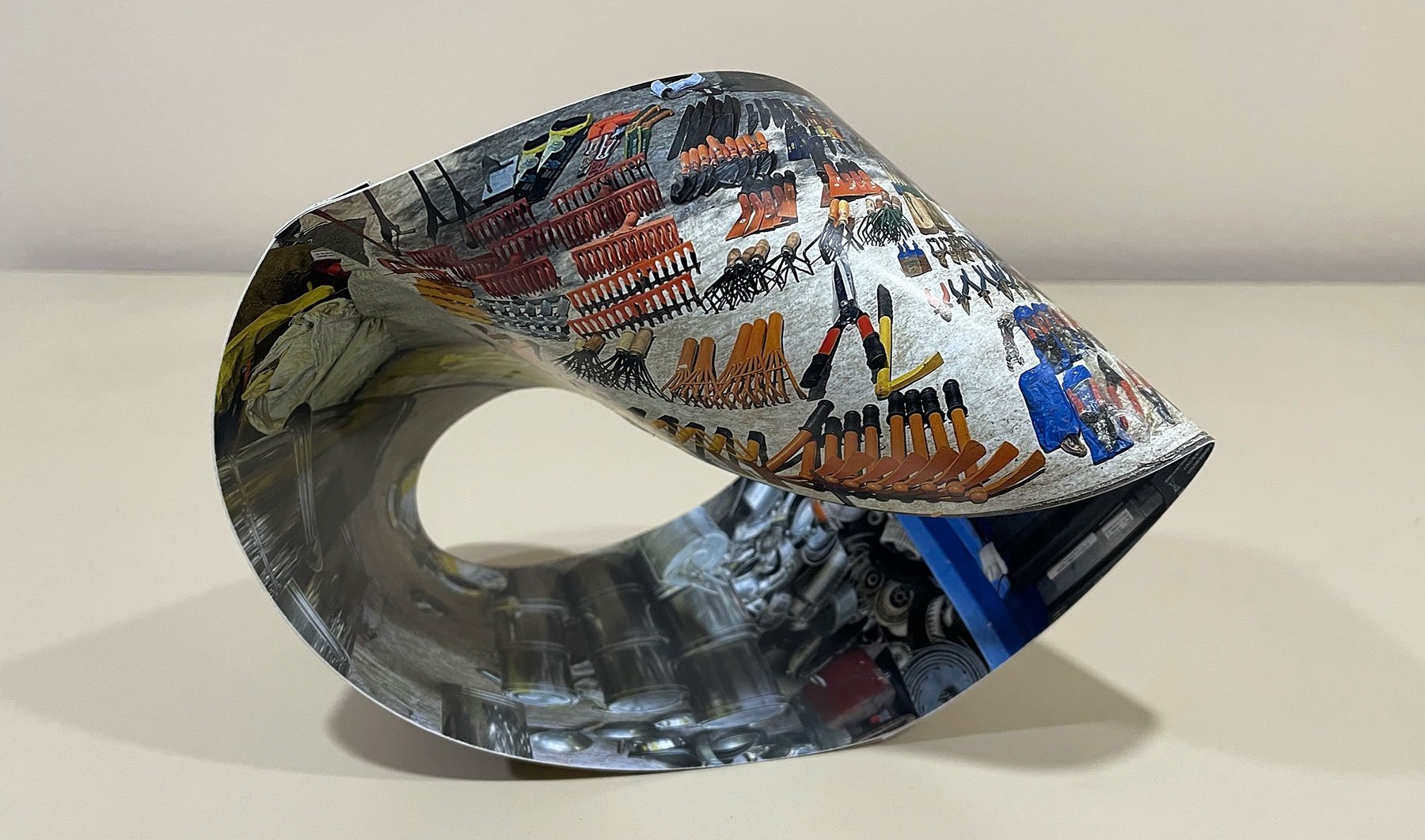
(Juna Bazaar, Pune), Digital Print on Paper, Variable Dimensions
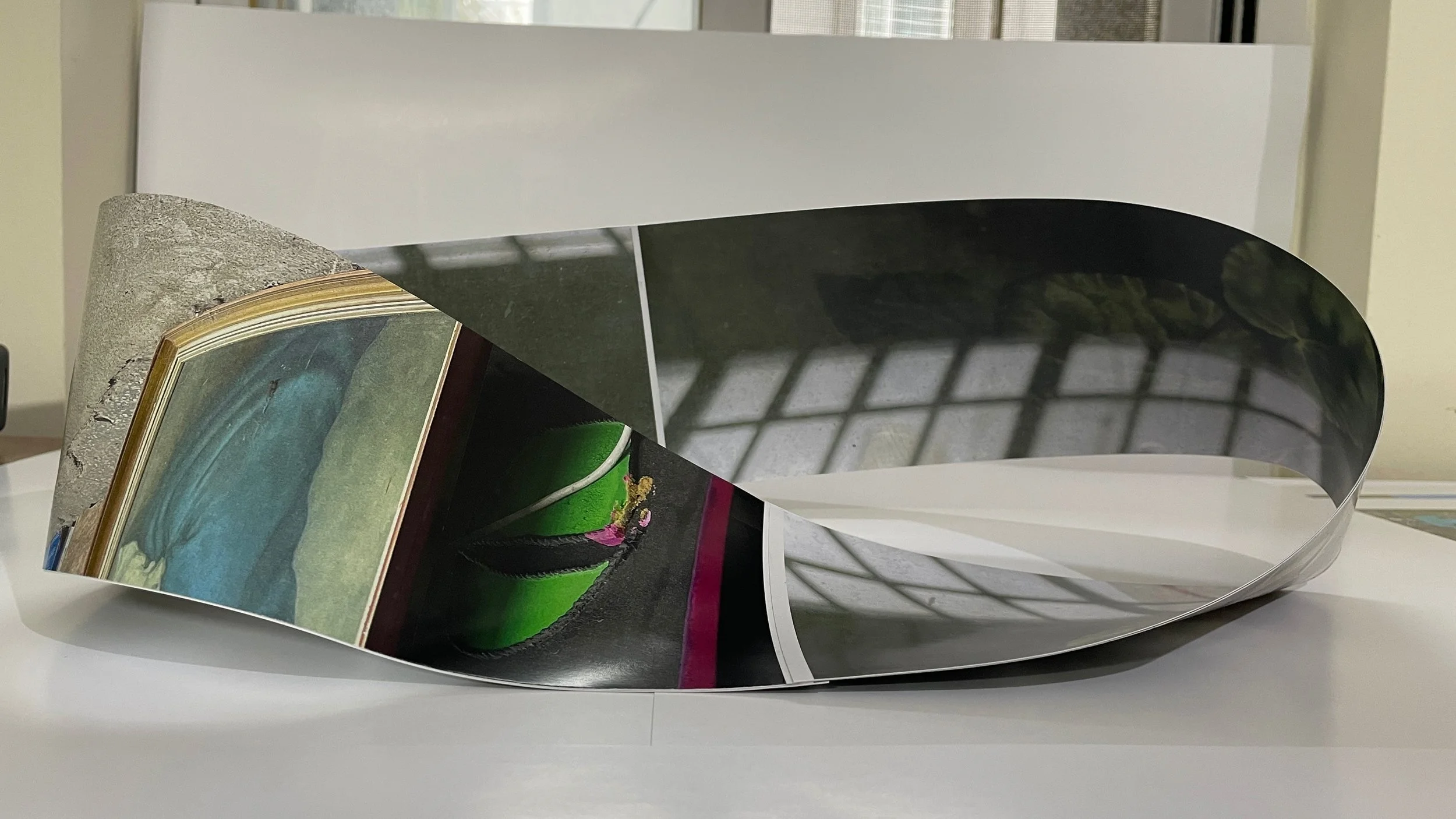
(Gabrovo), Digital Print on Paper, Variable Dimensions
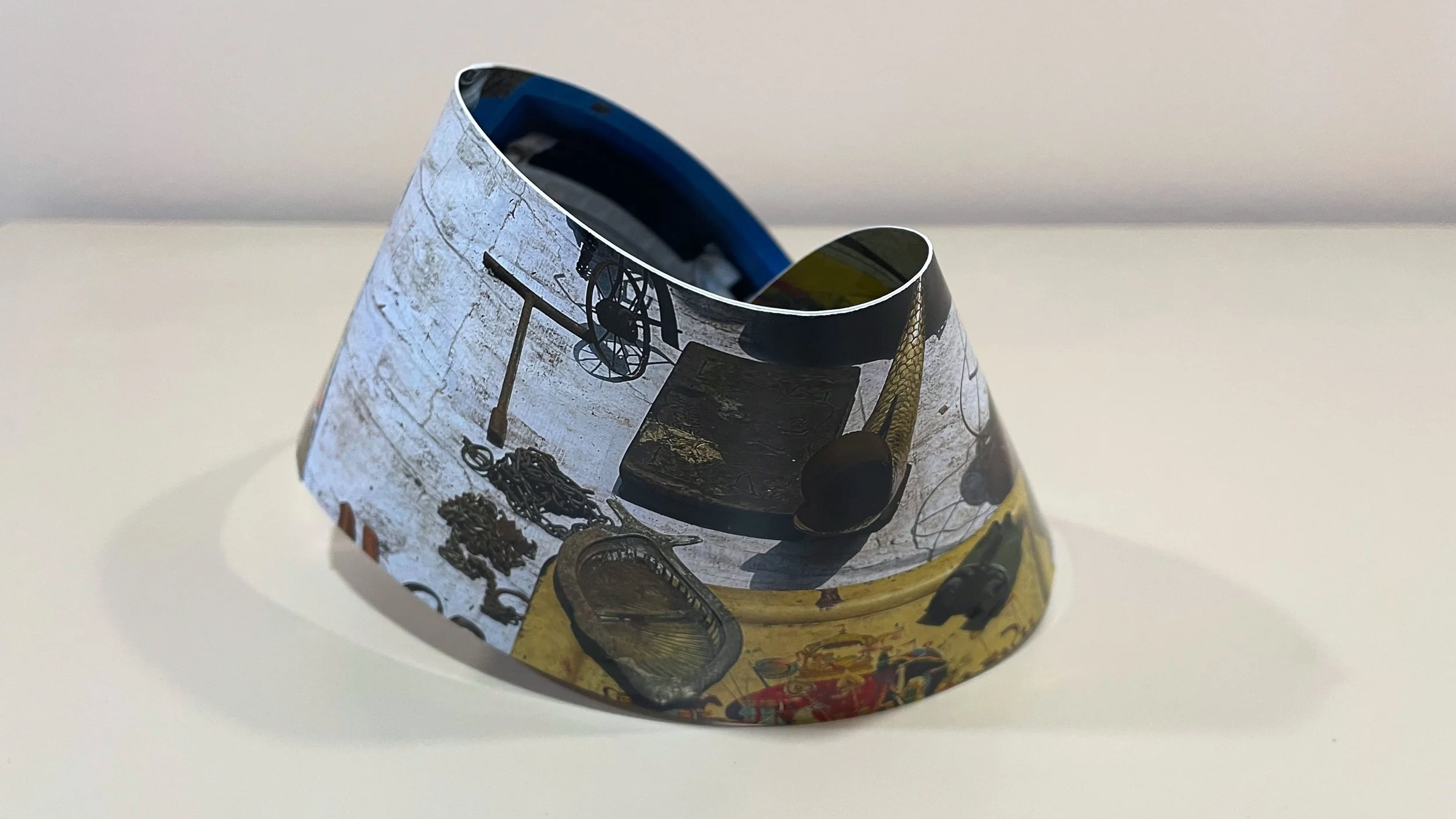
(Juna Bazaar, Pune), Digital Print on Paper, Variable Dimensions
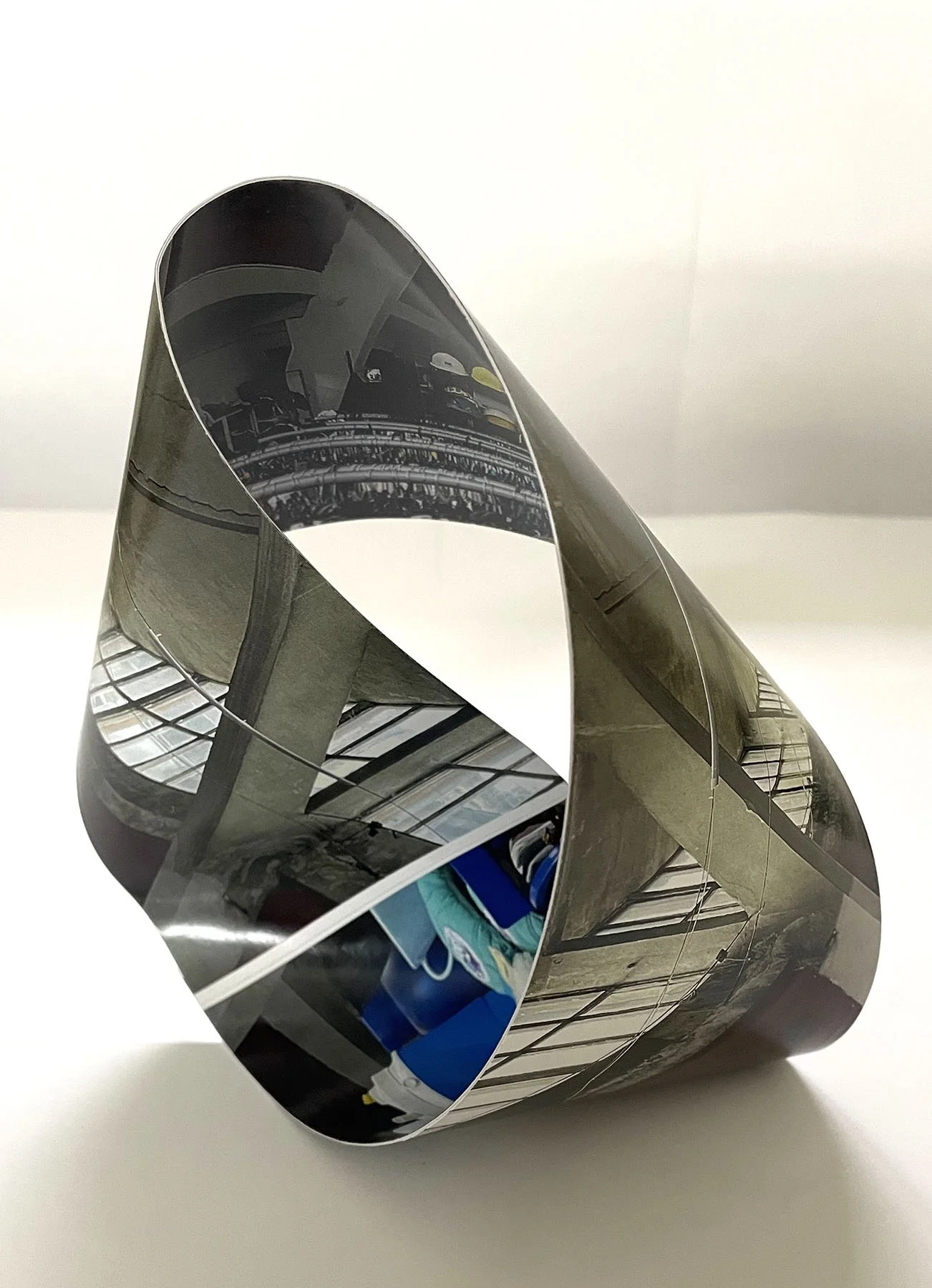
(Gabrovo), Digital Print on Paper, Variable Dimensions
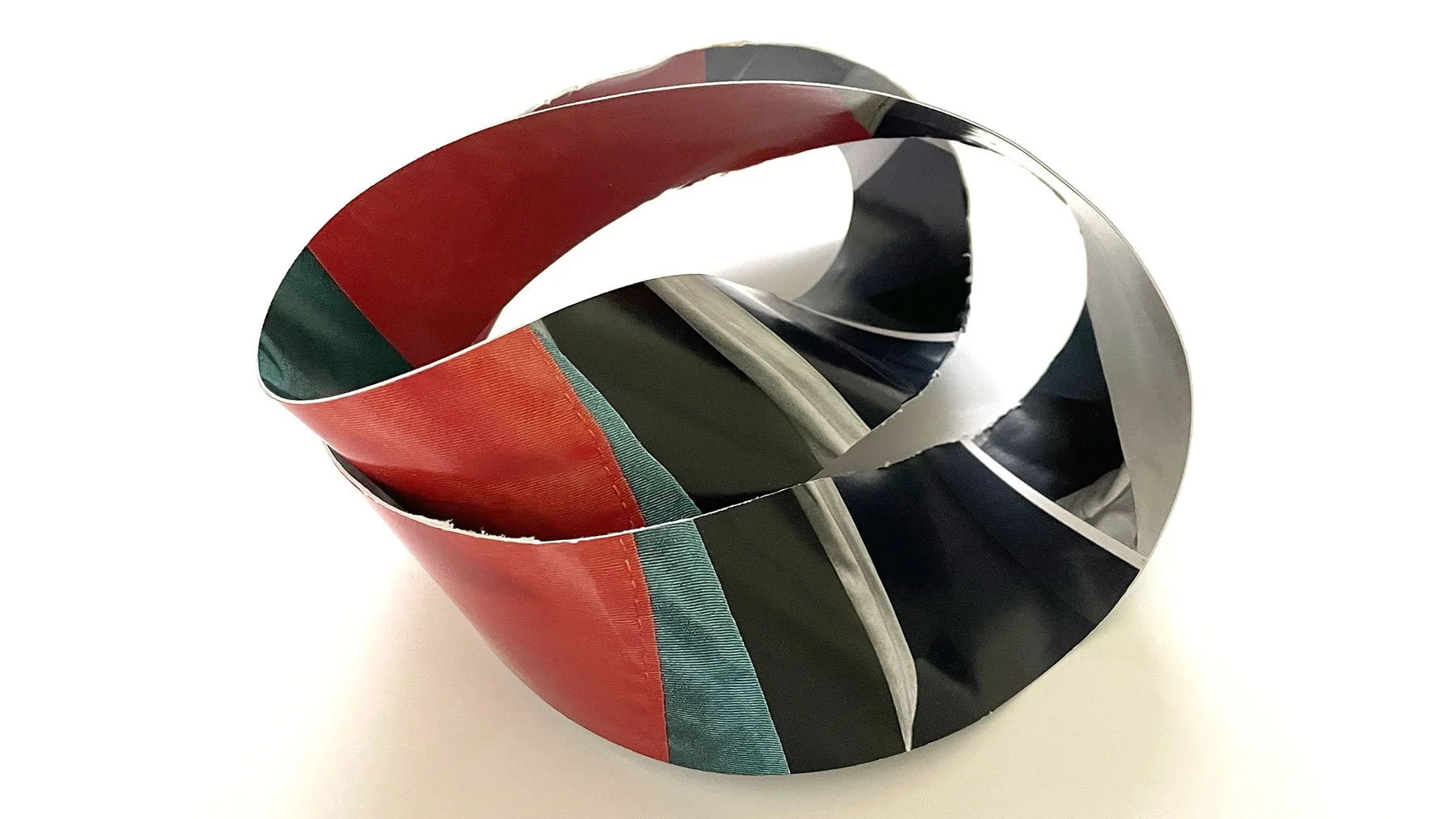
(Gabrovo), Digital Print on Paper, Variable Dimensions
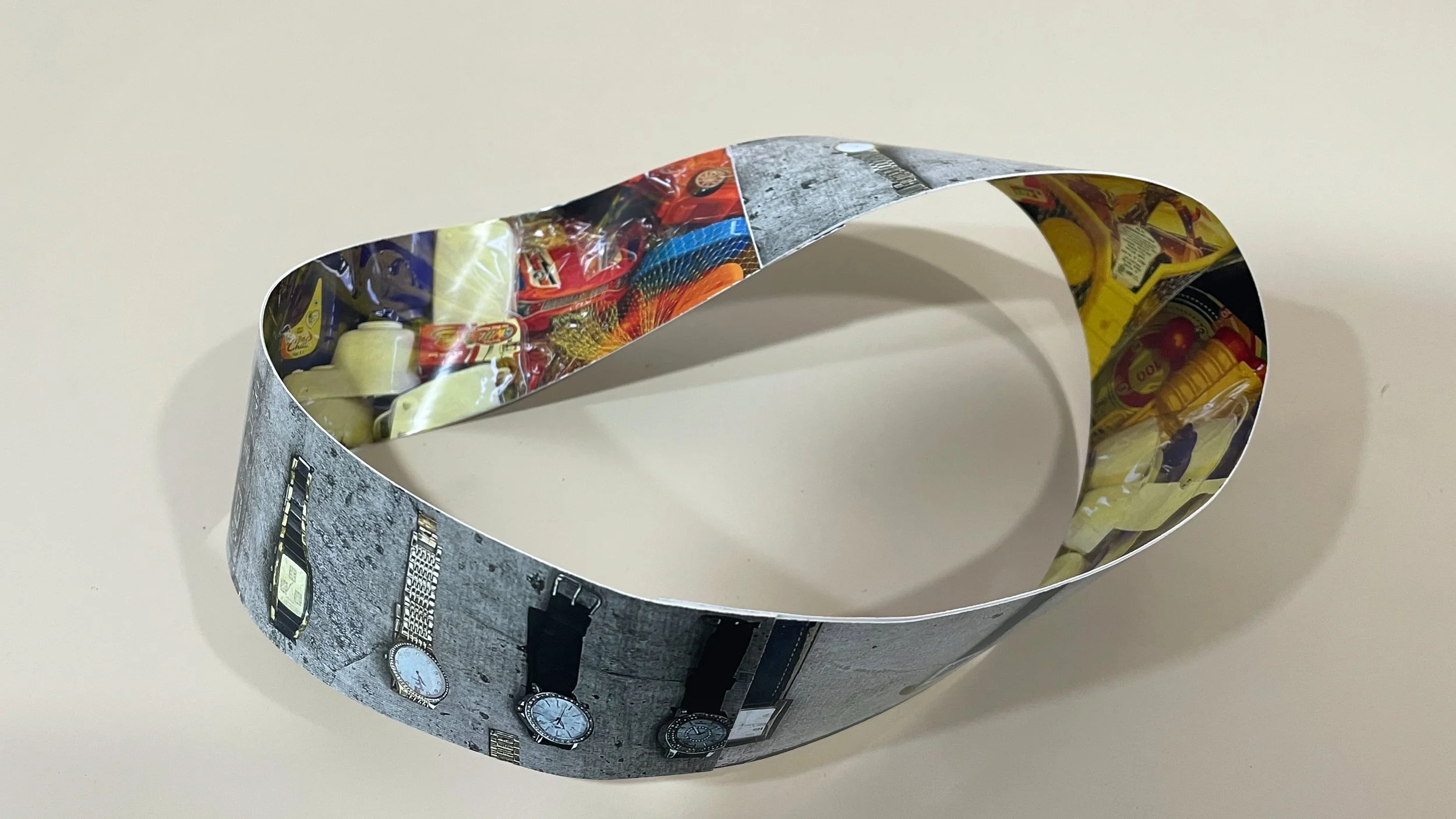
(Juna Bazaar, Pune), Digital Print on Paper, Variable Dimensions
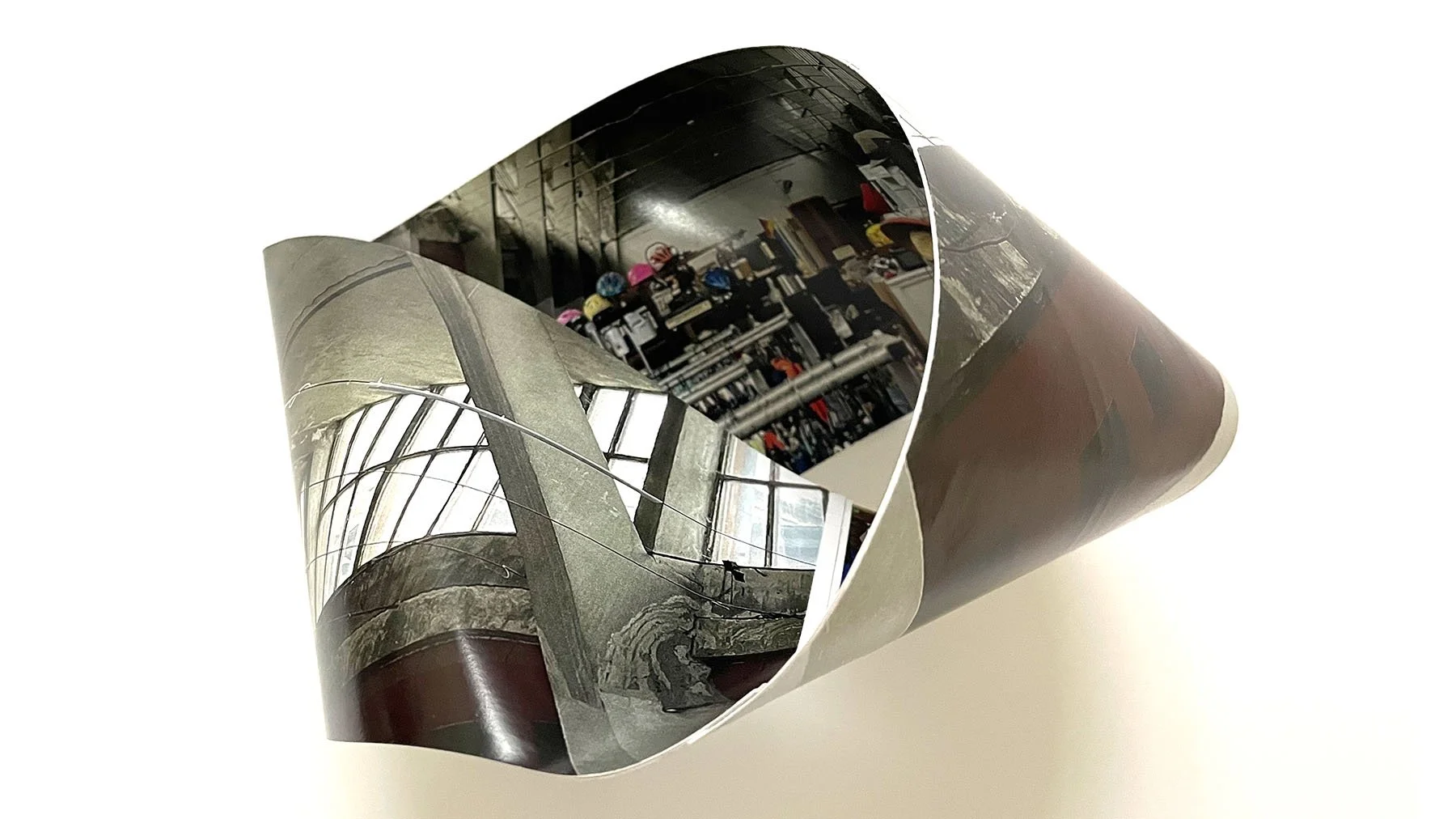
(Gabrovo), Digital Print on Paper, Variable Dimensions
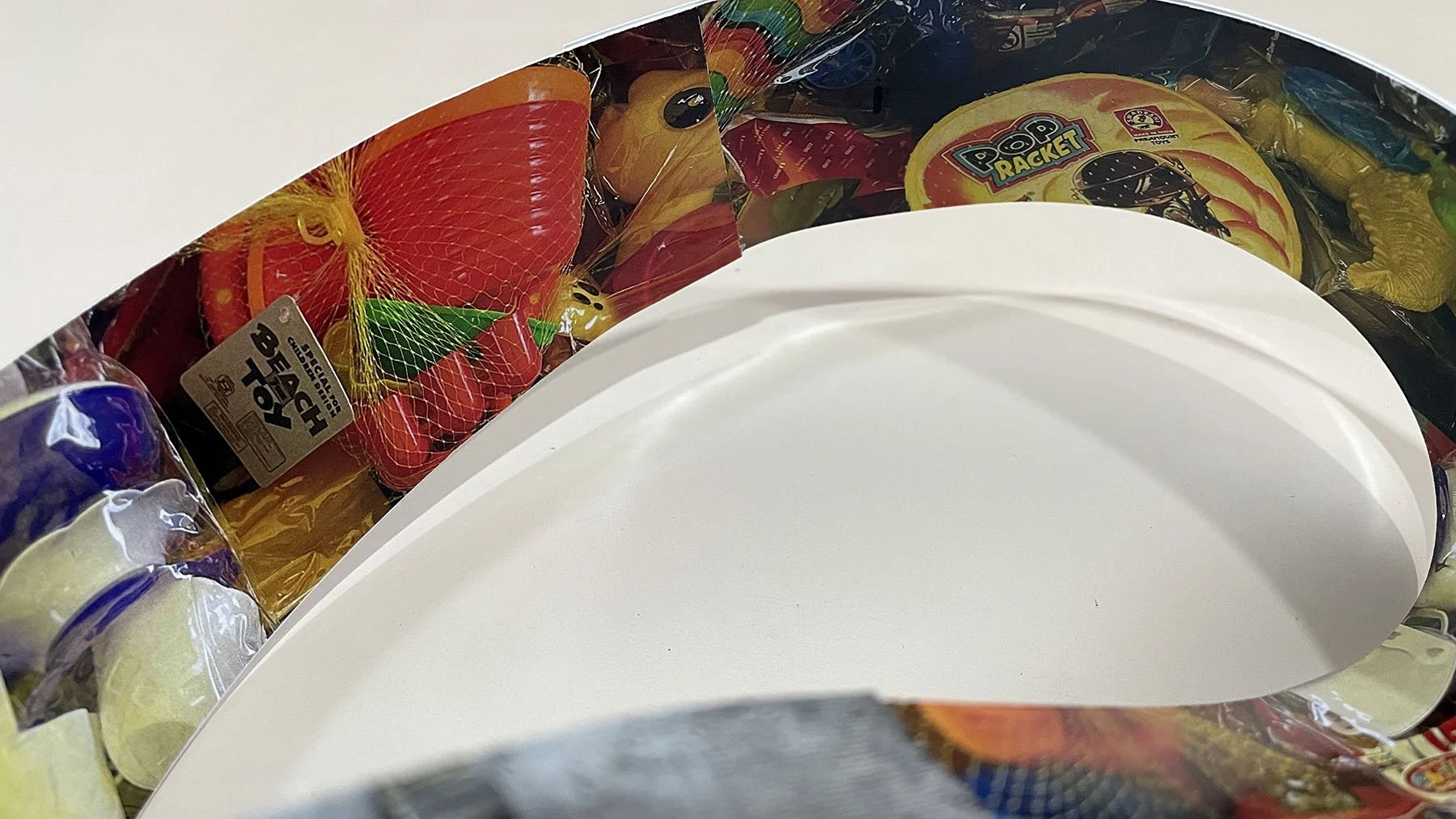
(Juna Bazaar, Pune), Digital Print on Paper, Variable Dimensions
Titled, Present Perfect Continuous, the works speak of time, traditions and our evolving relation to ideas of newness and waste- of objects and processes that started in the past and continue into the present time. The words- Present, Perfect, and Continuous, can also be seen as separate lenses- each providing a different approach to the lifecycle of objects, of ideas and objects new and old.
To consume, and to be consumed- the two seem almost inextricably linked in contemporary shopping cultures. What was once new soon finds itself consumed by the newest. The search and need for Newness in different forms has preoccupied various aspects of contemporary urban culture.
How are items used, reused and reclaimed? And what is the place of reused and reclaimed objects that lie on the fringes of the legal economy? Things passed down from generation to generation, objects given away to people, or stollen- things lost, and things found- how do such objects and processes effect contemporary cultures of consumption?
The first set of photographs was taken in Gabrovo, Bulgaria, in old brutalist building that had been converted into a second hand goods market. There is also a market that happens weekly in Gorna, not too far from Veliko Tarnovo, and some photographs were taken there as well.
Several thousand kilometres from the markets in Gabrovo and Gorna, is the city of Pune. And the second set of photographs were taken at the Juna Bazaar that happens on the road running parallel to the Mutha River. This is an ancient market place, known for used goods. One can find almost anything here.
The inherent quality of the möbius strip lends itself as a metaphor to the disorientation and dislocation of space, place and object- where beginnings and endings collide. The photographic objects- as documents, take the form of a series of möbius strips, and complicate the linearity of object-making and manufacturing traditions, where the ideas of inside and outside are challenged.
The collection of objects photographed, which include mostly used and some new, occupy the same space to create a fragmented portrait of social relations of consumption.